


You have been told you have gum disease, or you have had it in the past, and now you are wondering whether dental implants are still possible. The short answer is often yes, but the order of treatment matters.
Good implant dentistry in Dallas starts with healthy gums and bone, because they are what hold an implant in place for the long term. Gum health comes first for a reason: it shapes how well an implant heals and how long it lasts. The more you understand about how dental implants are placed and restored, the easier it is to make a confident decision.
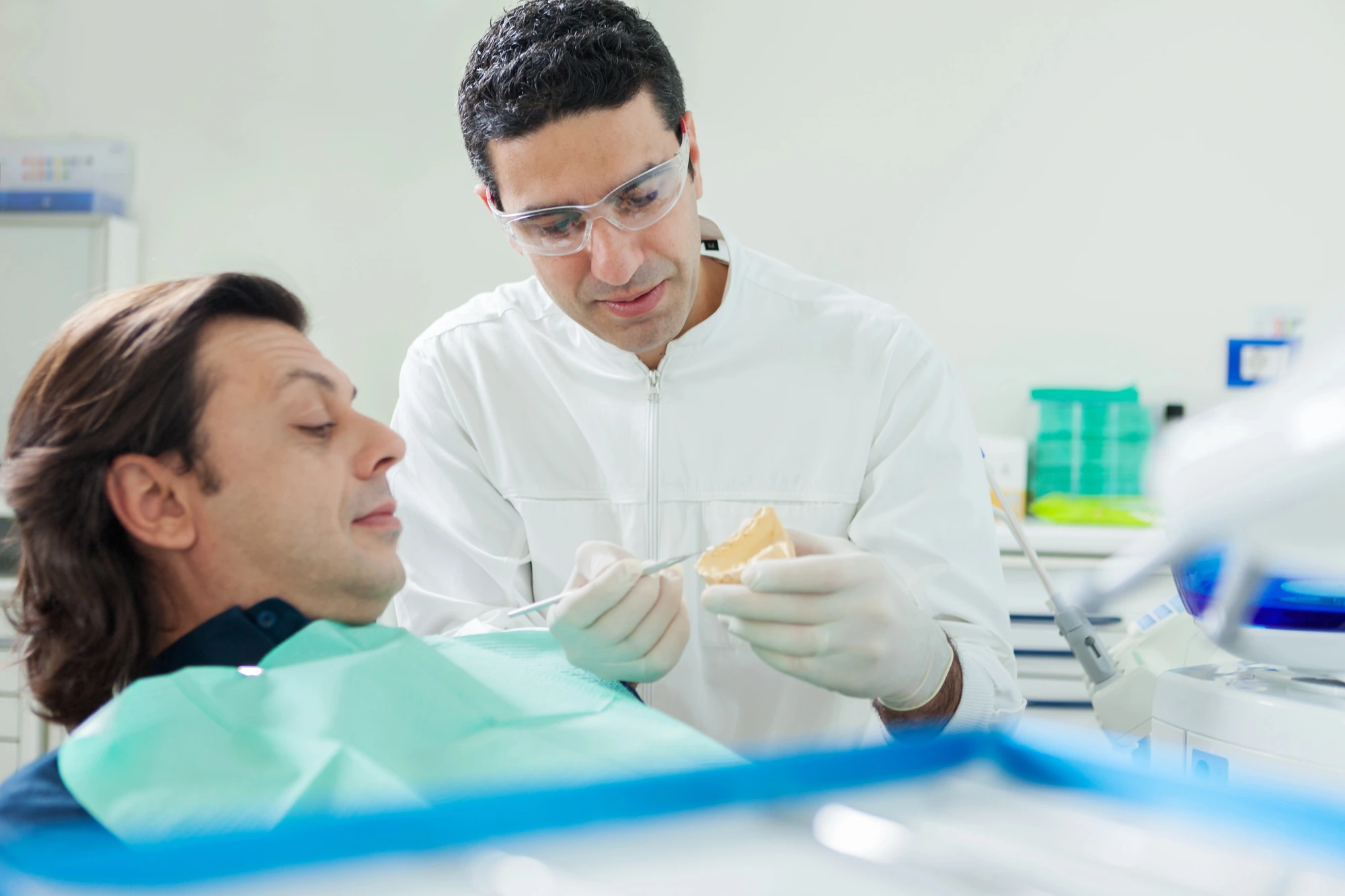
The Short Answer: Often Yes, but Gum Health Comes First
A history of gum disease does not automatically rule out implants. However, active gum disease generally needs to be treated and stabilized first.
A 2025 consensus report from the American Academy of Periodontology and the Academy of Osseointegration identifies a history of periodontitis as a risk factor for peri-implantitis, and it notes that both active disease and a past history can raise that risk. The goal is not to avoid implants. It is to give them the healthiest possible foundation.
Why Gum Disease Matters for Implants
An implant cannot get a cavity, but the gum and bone around it can still become inflamed. The American Academy of Periodontology describes peri-implant diseases as inflammatory conditions of the tissues around implants, and it lists previous gum disease, poor plaque control, smoking, and diabetes among the risk factors.
The consensus report adds that although implants have a survival rate of nearly 95 percent, at least one in five patients develops peri-implant mucositis or peri-implantitis over their lifetime. That is why a healthy starting point and good follow-up care matter so much.
What Treating Gum Disease First Looks Like
Treatment usually happens step by step, and your dentist decides which steps you need:
- An exam and X-rays to measure how far the disease has progressed
- Scaling and root planing, a deep cleaning below the gumline
- Infection control with antibiotics when needed
- Flap surgery for deeper pockets
- A recheck to confirm your gums are stable before implants are planned
What Else Affects Whether You Are a Candidate
Gum health is only one piece. Dentists also evaluate the volume and position of your bone, which 3D cone beam imaging helps show, along with smoking, how well diabetes is controlled, your daily hygiene, and your overall health and medications.
Your dentist will also check whether nearby teeth have decay or infection that should be addressed first, since problems close to an implant site can affect healing. For a fuller checklist, read how to know if you are a candidate for dental implants.
Frequently Asked Questions
Can I get implants with active gum disease?
Usually, the gum disease needs to be treated first so your gums are stable before implants are planned.
Can gum disease damage an implant?
Yes. Inflammation around an implant can lead to bone loss if it is not caught and treated.
How do I know if I am a candidate for implants?
An exam, X-rays, and 3D imaging show whether your gums and bone are ready.

Ready for Implant Dentistry in Dallas? Start With a Gum Health Check
Our team at Park Central Dental can evaluate your gums and bone and help you plan your next step. Schedule your consultation or call us at 214-340-9696 to get great dental care.